
In business and in life, regulation is leadership
Parenthood taught me that leadership is emotional regulation in disguise and authenticity begins where composure ends.

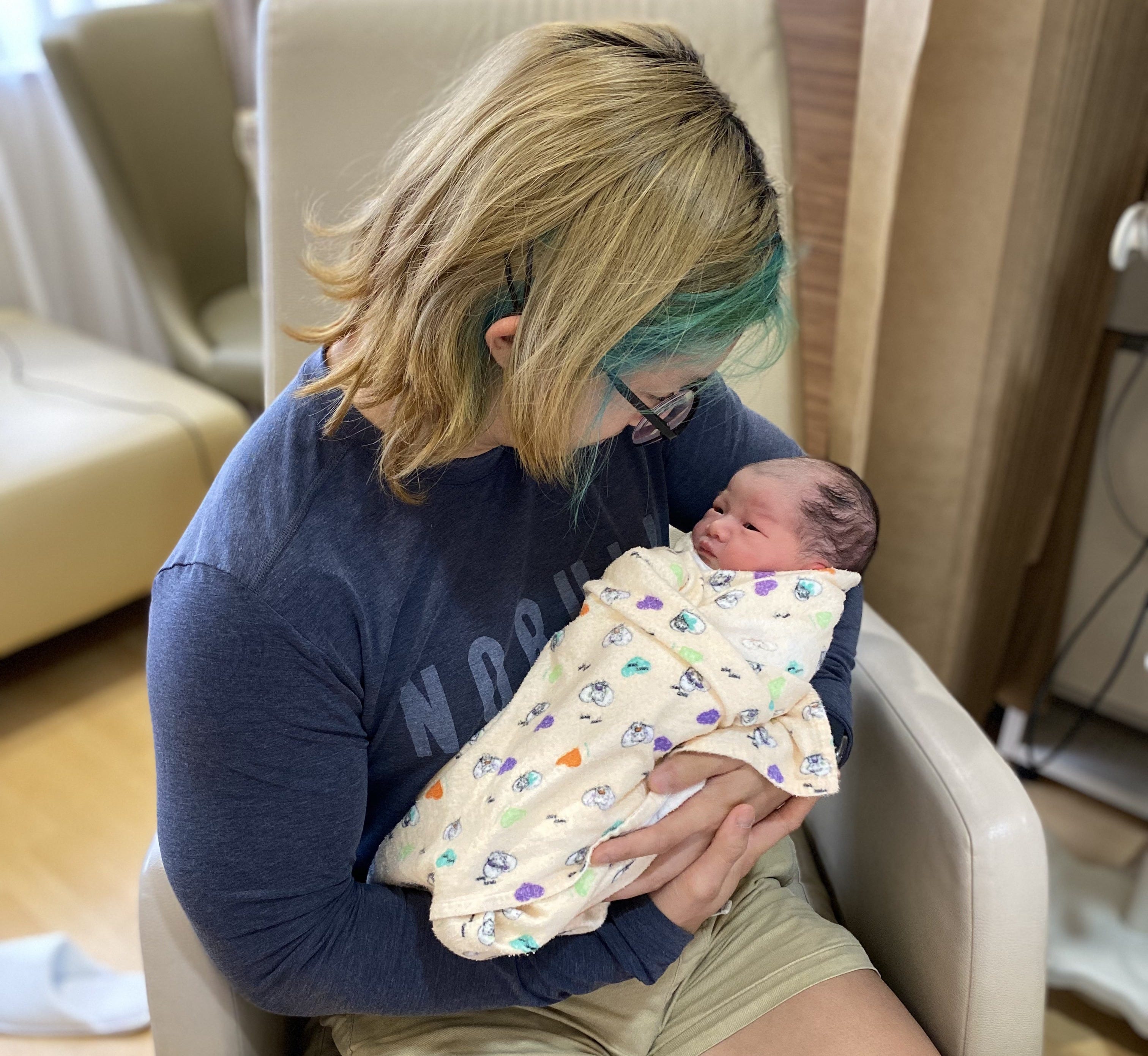
When I first became a parent, I thought control was love. I thought if I could stay calm through every tantrum, every scream, every sleepless night, I was doing it right.
However, I have learned that calmness can sometimes be a form of suppression, a way to manage appearances instead of emotions.
This week, I shouted at my daughter twice. She is three, non-verbal, and lives with global developmental delay, possibly autism. The first time, she woke up at 3am, radiant with joy, jumping on the bed, laughing and kicking in delight. I shouted, hoping my voice could do what my exhaustion could not: restore order.
It did not, so my wife carried her gently back to her room while I sat in the dark, the silence pressing down heavier than sleep.
The next morning, her school was celebrating the Mid-Autumn Festival. The teachers asked her to wear traditional clothes instead of her usual uniform, and that single disruption was enough to shake her world.
Neurodivergent children rely on patterns for safety, and when those patterns are disrupted, their world becomes unstable. She screamed, kicked, and resisted everything. I stayed calm until I didn’t, and when she stopped crying, I realised the meltdown wasn’t hers anymore. It was mine.
Parenthood has turned into the most confronting mirror I’ve ever faced, and it has shown me that leadership is not about composure but about capacity, like the capacity to feel, to hold, to regulate, and to repair, because every unhealed part of me finds its way back through her eyes. When I react, she learns fear, and when I breathe, she learns safety.
In business and in life, I observe the same pattern repeating itself. The leaders who communicate with empathy are the ones who have done the hard work of self-regulation.
The creators who connect deeply are those who allow their audience to see them as human first and foremost, and as experts second. In contrast, the founders who build trust are those who can sit with discomfort long enough to understand what it’s trying to teach them.
Authenticity is the courage to show up unarmoured, even when you wish you could hide. It is what makes stories memorable and communication honest.
How are you learning to regulate as a parent, founder, or leader?
See you next Sunday.
One year ago, I hit send on the first issue of Human Algorithm with no subscribers and strategy, only a belief that vulnerability could become value.
12 months later, we have grown into a community of 469 professionals across 15 countries, expanded into The Human Algorithm Podcast, live group coaching, and storytelling frameworks that help leaders and creators turn their truth into strategy.
As we enter year two, here’s what to expect:
Deeper essays anchored in real client transformations
More access through private workshops and Q&A calls
More structure to help you apply every idea directly to your work
Founding Member – $150 (lifetime)
Over $1,000 worth of bonuses, including:
The Ranga Files (award-winning case study)
Behind the Scenes: Building to $5K Monthly
4-Hour Workday Templates
Fast-Track Strategy Session (30-min 1:1, limited to first 25)
Annual Member – $80/year
Receive $350 worth of bonuses, including:
The 10 Commandments Workbook
Cycling to Success ritual guide
LinkedIn Audit & Strategy Call (limited to first 50)
Upgrade before October 19 to unlock bonuses.