
How men can champion midlife conversations
Executive search veteran Roy Tay explains why silence around menopause and andropause costs companies talent, trust, and culture.

This article is part of Human Algorithm’s partnership with Midlife Festival 2025 by Surety. Join us in Singapore this October for two days of honest, evidence-based, and empowering conversations about navigating midlife transitions. Day 1: Midlife@Work. Day 2: Let’s Talk Menopause and Midlife. Two-day passes are available through both links. Use promo code MF25SHAWN for 5% off tickets.
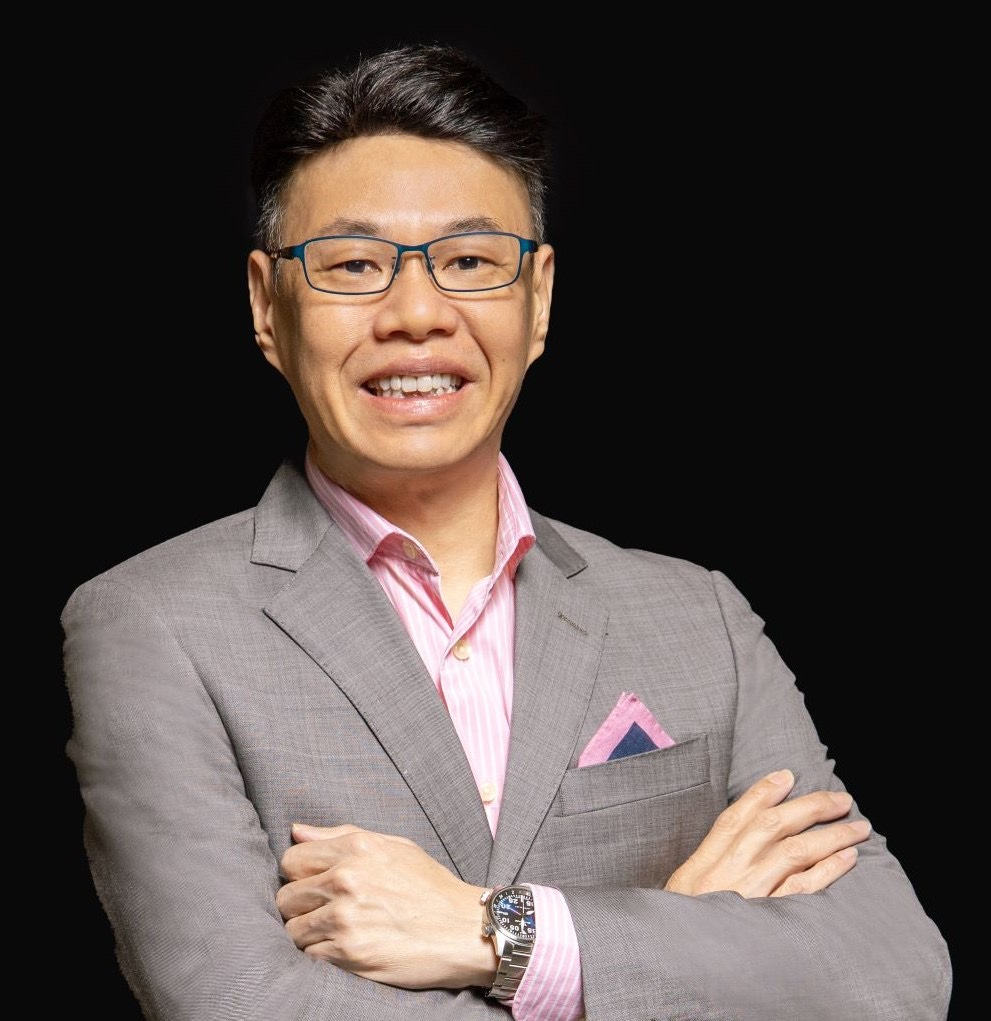
When I sat down with Roy Tay, one of the featured speakers at Midlife Festival 2025, it was immediately clear why his perspective cuts through the noise.
With more than two decades of executive search experience, Roy has helped place some of Asia Pacific’s most senior leaders into C-suite roles.
Today, as Partner at DHR Global, he champions the firm’s values of “Reach, Resourcefulness, and Relationships”, guiding enterprises to find the right leaders while coaching ambitious professionals through career-defining transitions.
His career is built on trust and discretion, and his focus is on connecting talent with opportunity in ways that recognise leadership maturity as much as technical skill.
Roy’s panel on October 24th, “Ally is a Verb: How Men Can Champion Midlife Conversations”, promises to tackle the uncomfortable truths many workplaces avoid.
“Many male leaders don’t talk about midlife at all,” he says. “They cloak their anxieties about aging and relevance in performance language. When it comes to their female colleagues, that silence deepens because menopause is still treated as a personal matter, not a professional one. That avoidance costs credibility, trust, and talent.”
I asked him how often highly qualified women are overlooked in senior hiring because of midlife biases. Roy doesn’t hesitate.
“Far more often than people admit and it’s rarely said outright,” he explains. “These biases are subtle but systemic, and they cost companies dearly. Midlife isn’t a liability. It’s often when leaders are at their sharpest.”
In his coaching work with executives, these blind spots often emerge in smaller ways. “Sometimes it’s a throwaway comment about a hormonal colleague. Sometimes it’s unease about reporting to a woman in midlife,” he notes.
His approach is to challenge these remarks without shaming. “I frame it as a leadership blind spot. If you’re serious about senior roles, emotional intelligence isn’t optional.”
The gap between words and actions is something Roy points out often. He explains: “Senior men talk about being allies, but when midlife issues like menopause, caregiving, or burnout surface, their actions default to avoidance. True allyship means leaning in, not stepping back. The cost of inaction? Lost trust, lost talent, and a culture that quietly tells women their midlife challenges make them less worthy of leadership.”
What struck me most was Roy’s empathy for male executives navigating their own transitions. “Midlife shifts are real, but rarely voiced in executive circles,” he says. “I help reframe them as a leadership evolution, not a decline. In Asia especially, men respond better when we talk about legacy, not loss.”
For him, authentic allyship looks like listening without judgment, backing without ego, and using influence to normalise what others avoid.
For companies, he makes the case in strategic terms. “Midlife inclusion is strategy because teams with age and life-stage diversity outperform. When you support people through transitions, you unlock their peak leadership years.”
His advice to younger leaders is just as sharp. “Allyship is about future-proofing your leadership,” he says. The next-gen leader is the one who can lead across life stages, not just functions.”
Listening to Roy, it became clear why his panel belongs at the heart of Midlife Festival. He is talking about reshaping leadership to embrace transitions that every one of us will face.
As he points out, “Midlife is evolution and the leaders who understand that will be the ones we trust most.”